Stories by Joshua Mikhaiel
Five ways to develop your wedding photography in 2027
This article began during the COVID-19 lockdowns, when weddings paused and many photographers were looking for a way to keep creating. The exercises still have value outside that context. Here is a revised version for anyone wanting to develop a more personal way of seeing.
1. Photograph everyday life
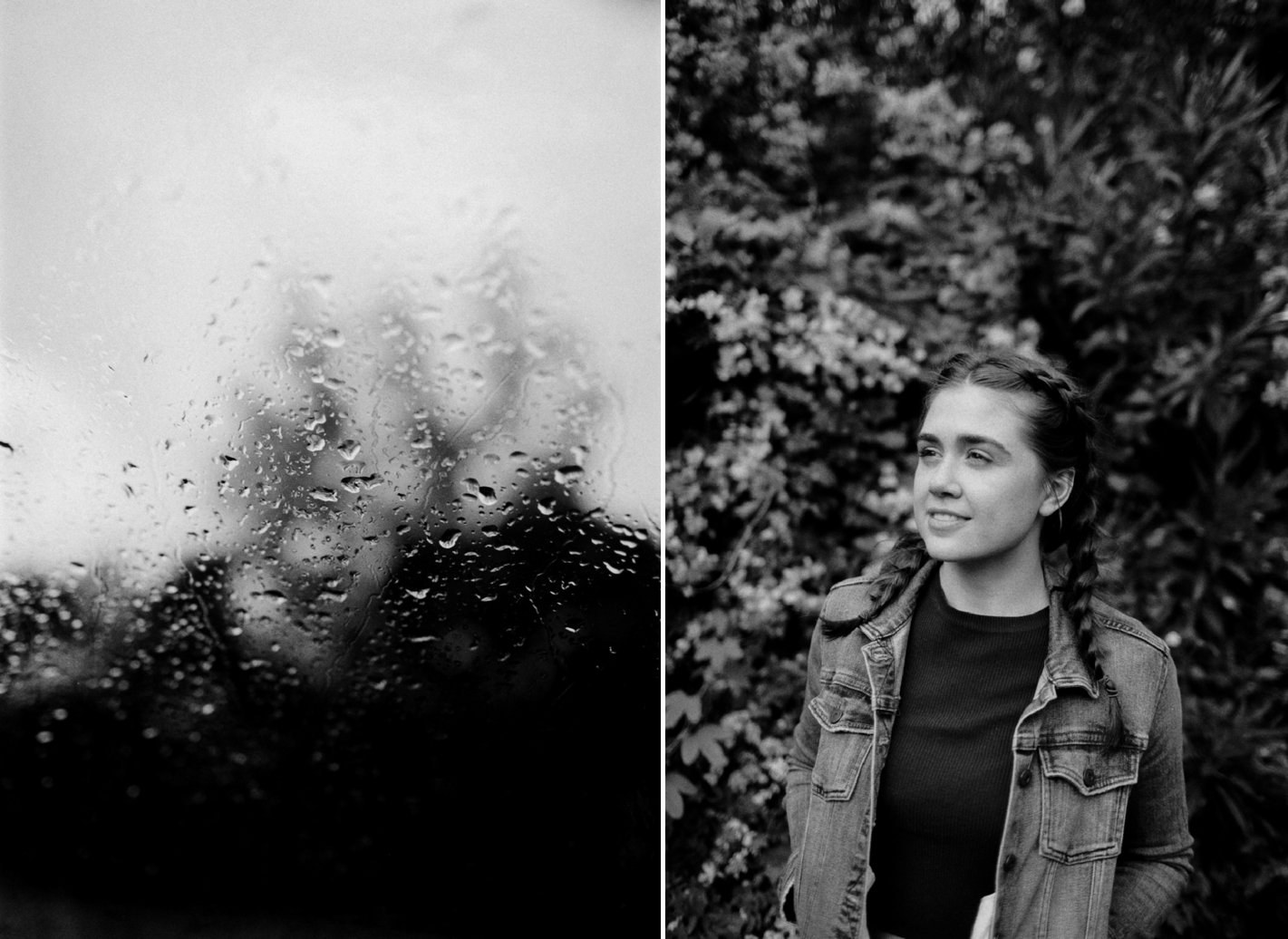
When most of your photography is paid work, it is easy to stop noticing the small stories at home. Pick up a camera without a client brief. Watch the rain on a window, the light across a table or the way someone settles into a favourite chair.
Give yourself time to try a different position or wait for a gesture. That quieter practice can help you see more clearly when a wedding day moves quickly.
2. Simplify your equipment
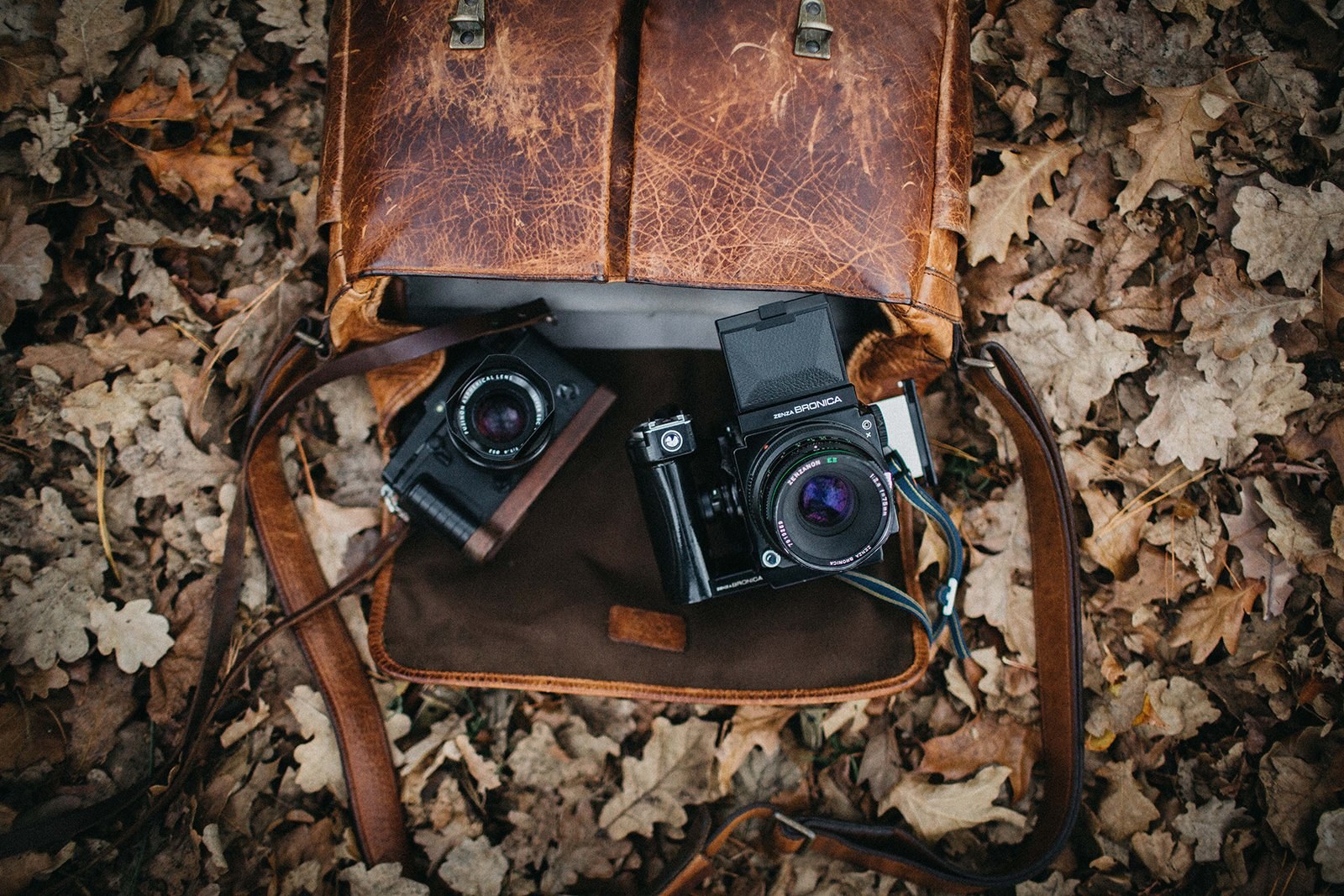
Try one camera and one focal length for a personal project. You do not need to buy older equipment to make this useful. A limitation can prompt you to move, solve a problem and think more carefully about what belongs in the frame.
Choose a constraint that challenges you without making the project frustrating. The point is to pay attention, not to prove you can work with the least convenient kit.
3. Try a slower process
Film can encourage deliberate framing and a different relationship with the photographs. It also costs money, so it is optional. You can practise the same patience digitally by taking fewer frames and waiting before reviewing them.
I love the anticipation of receiving film scans. That enjoyment is part of why I return to it, rather than a claim that one medium makes better photographs than another.
4. Make room away from comparison
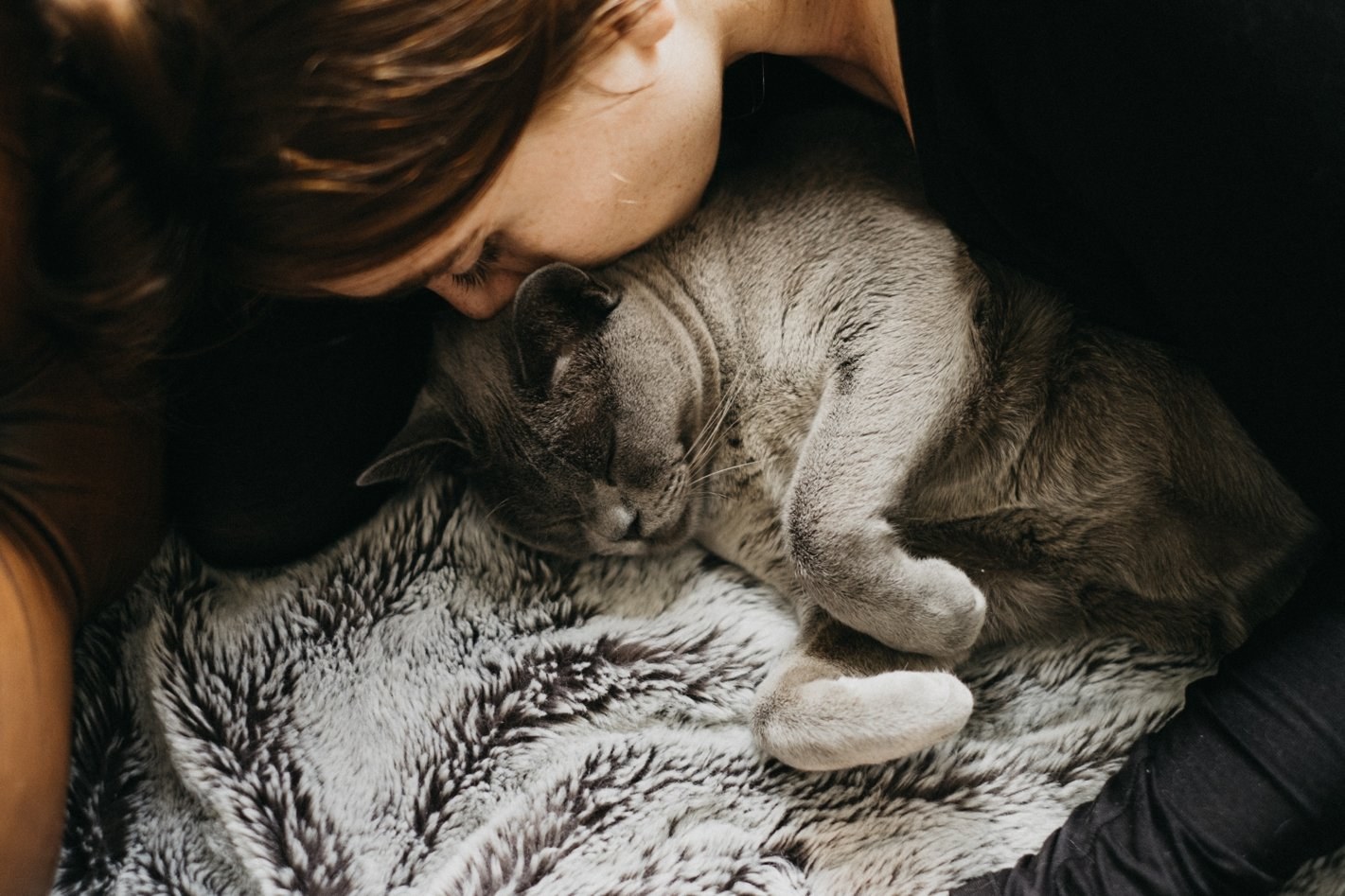
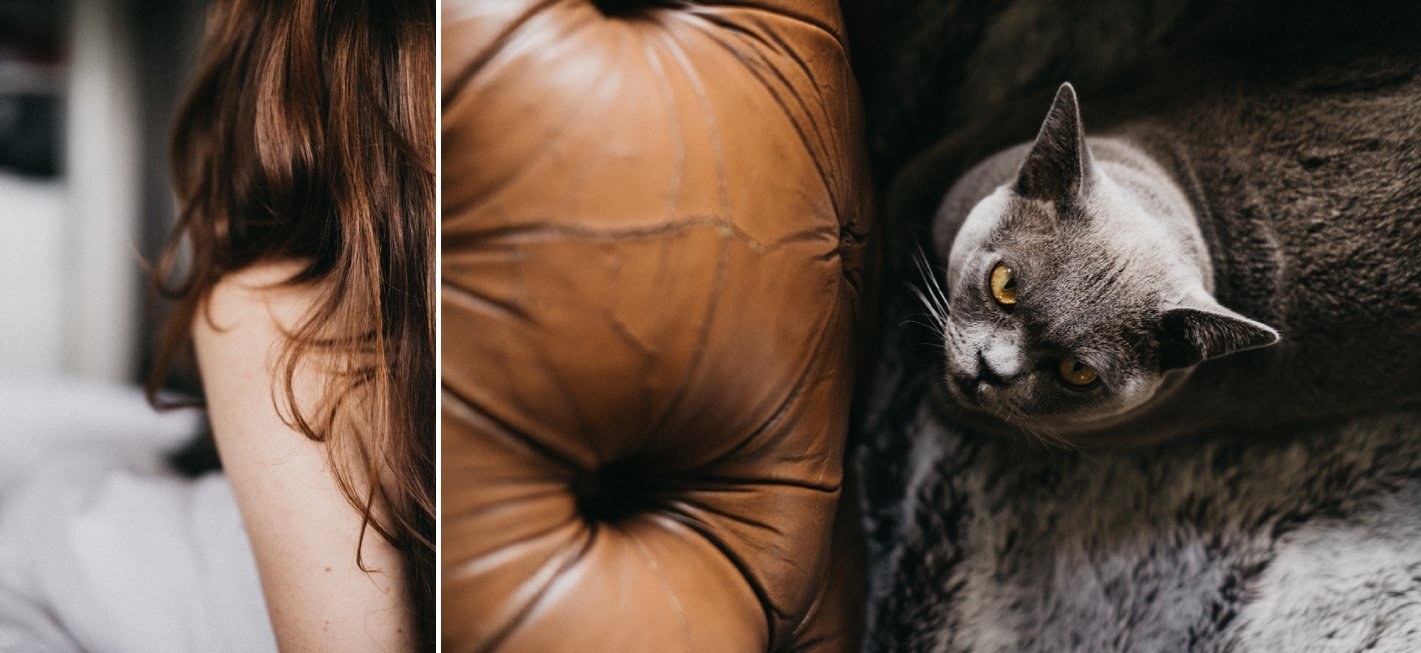
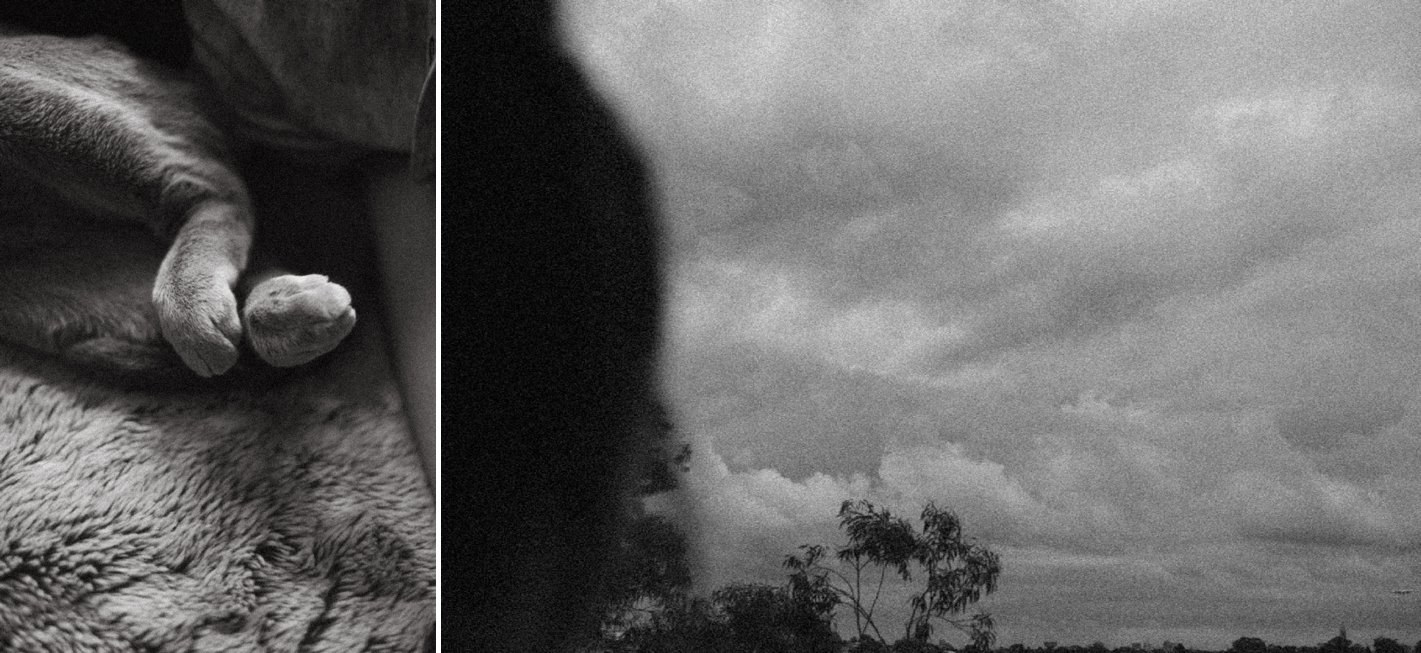
If your feed leaves you discouraged or repeating other people’s work, take a break from it. You can admire other photographers without needing to look at their highlights every day.
Notice what you are drawn to when no one is setting the brief. That is often where a more personal body of work begins.
5. Find inspiration elsewhere
Read a novel, look at paintings, watch a film or walk somewhere unfamiliar. Pay attention to how stories unfold, how a scene uses colour and what is left unsaid.
Then make something of your own. The aim is not to reproduce another person’s image, but to bring a richer way of noticing into the work you already do.